
Wie ein führender lateinamerikanischer Konsumgüterhersteller ein modulares Geschäftsmodell zur Optimierung des MRO-Bereichs entwickelte, das es der Unternehmensleitung ermöglichte, den Umfang selbst zu bestimmen, anstatt einen „Alles-oder-nichts“-Vorschlag akzeptieren zu müssen.
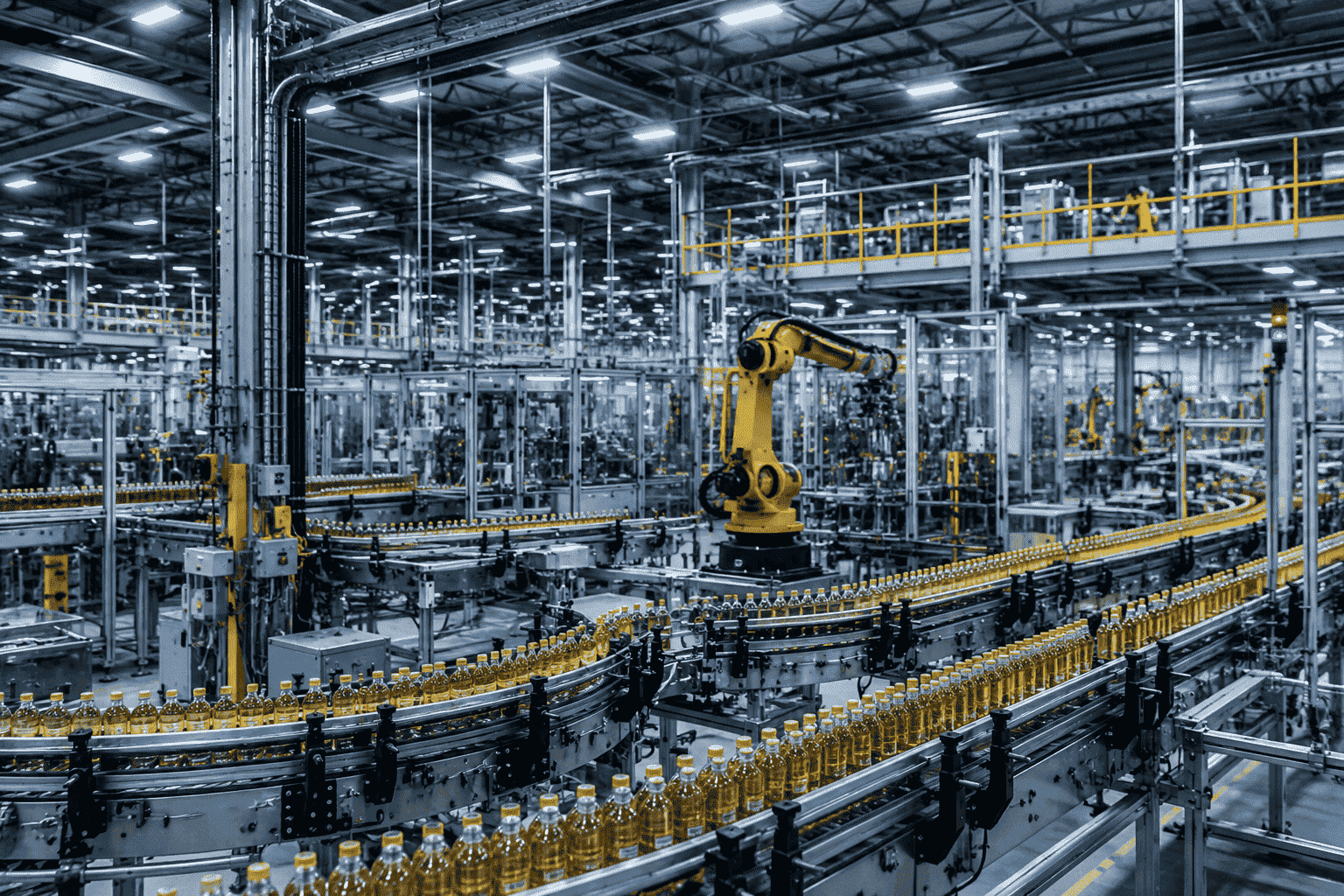
Ein führender lateinamerikanischer Konsumgüterhersteller, der in seinen Produktkategorien ein Begriff ist und ein Netzwerk von Werken in der gesamten Region betreibt, die alle auf einer einzigen ERP-Instanz laufen, mit Zehntausenden von MRO-Artikelnummern sowie eine große Community im Bereich der Instandhaltungsplanung. Die Produkte des Unternehmens werden im Tempo des Einzelhandels abgesetzt, was bedeutet, dass auch die Abfüll-, Verpackungs- und Verarbeitungslinien im Tempo des Einzelhandels arbeiten müssen.
Anstelle eines „Alles-oder-nichts“-Vorschlags wurde der Business Case als zwei Szenarien für denselben Standort konzipiert, die sich lediglich im Modulumfang unterschieden, sodass die Unternehmensleitung genau erkennen konnte, welchen Nutzen jede schrittweise Erweiterung des Umfangs mit sich bringt. Da an jedem Standort bereits dieselbe ERP-Instanz im Einsatz war, konnten die Module auf Netzwerkebene vom ersten Tag an funktionieren: Überschüsse an einem Standort waren sichtbar und auf jeden anderen Standort übertragbar, wobei die Entscheidung zwischen Kauf und Übertragung logistisch kalkuliert wurde und kein vorheriges Integrationsprogramm erforderlich war.
Die Kundenzahlen in dieser Fallstudie werden aus Gründen der Vertraulichkeit als Verhältniszahlen angegeben. Die Angabe zur Ausfallzeit ist ein veröffentlichter Branchen-Benchmark und keine kundenspezifische Zahl. Der zugrunde liegende Fall wurde anhand der vom Kunden bereitgestellten Betriebsdaten erstellt.
In der Massenproduktion von Konsumgütern lässt sich das MRO-Problem auf zwei miteinander verbundene Kennzahlen reduzieren: das im gesamten Netzwerk in Ersatzteilen gebundene Kapital und die Tausenden von ungeplanten Zwischenfällen pro Jahr, die den Produktionsbetrieb unterbrechen. In einer Konsumgüter-Produktionslinie sind die Frage nach dem Lagerbestand und die Frage nach der Betriebsverfügbarkeit ein und dieselbe, und beide wurden bisher Standort für Standort geregelt.
Der Download behandelt beide Szenarien Modul für Modul, die rechnerischen Grundlagen hinter der Steigerung sowie die Gründe, warum der Betriebszeit-Nutzen im Hauptszenario gänzlich außer Acht gelassen wurde.
Erfahren Sie die ganze Geschichte hinter dieser Umgestaltung.
Ihre Angaben werden nur zur Weiterleitung dieser Konversation verwendet. Siehe unser Datenschutzbestimmungen .
Beide Szenarien erfüllten die Anforderungen für sich genommen; ausschlaggebend für die Entscheidung war die rechnerische Differenz zwischen ihnen.
| Metrisch | Ergebnis |
|---|---|
| Amortisation | Unter 6 Monaten, in beiden Fällen |
| Rendite auf den Wertzuwachs | ~4,5-fache der Mehrkosten für die beiden hinzugefügten Module |
| Nettogewinn über drei Jahre | Um etwa 70% von Szenario 1 auf Szenario 2 erhöht |
| Einsparung bei den Lagerkosten | ~221 TP3T pro Jahr auf freigesetztes Kapital |
| Vermeidete Käufe | ~11 TP3T an jährlichen MRO-Ausgaben gegenüber veröffentlichten Richtwerten von 5–151 TP3T |
| Kosten der Ausfallzeit | ~$39.000 pro Stunde, veröffentlichter Branchen-Richtwert, keine Kundenzahl |
Vermeidbare Ausfallzeiten wurden bewusst aus dem Hauptszenario ausgeklammert und als zusätzliches Potenzial dargestellt, das anhand der kundeneigenen Ausfallzeitdaten quantifiziert werden sollte, anstatt im Voraus angegeben zu werden.
Verantwortlich für die Betriebsbereitschaft der Produktionslinien in einem Netzwerk, in dem ein fehlendes Ersatzteil nicht nur Kosten verursacht, sondern auch die Produktion zum Erliegen bringt.
Die Lücke zwischen den standortbezogenen Bestandsregelungen und der netzwerkweiten Transparenz in einem gemeinsamen ERP-System schließen.
Bewertung eines modularen Business Case mit schrittweiser Kostenkalkulation anstelle eines „Alles-oder-nichts“-Vorschlags.
Betrieb einer einzigen ERP-Instanz im gesamten Netzwerk, ohne dass ein Integrationsprogramm erforderlich ist, um den Anwendungsbereich zu erweitern.
Falls Ihre Anlagen zwar ein gemeinsames ERP-System nutzen, ihre Ersatzteile jedoch nicht gemeinsam genutzt werden, lässt sich anhand Ihrer Zahlen innerhalb weniger Tage dasselbe szenariobasierte Fallbeispiel erstellen.

Carnegie Center, Suite 300,
Princeton, NJ 08540, Tel: +1 (866) 987-4463

Times Square, 3. Stock, Flügel "B", Andheri Kurla Road,
Andheri Ost, Mumbai - 400059
Copyright © 2026. Alle Rechte vorbehalten.