MRO360
- MRO360 overviewThe AI-native platform for spare parts
- How it worksApprovals, security, deployment
- IntegrationsRuns above your ERP or EAM
Maintenance work
See what you hold
Decide what to hold
- Obsolete CheckFinds discontinued parts early and lines up the OEM successor or alternates.
- Stock VelocityClassifies every SKU as fast, slow or non-moving and puts a dollar value on it.
- Demand ForecastingForecasts by maintenance order type, with turnarounds and seasonality built in.
- Reorder Point ReviewMin, max and safety stock recalculated continuously, with autonomous ordering under limits you set.
Act across the network
- Work Orders Planner and Vendor IntelligenceFlags work orders short of parts and tracks the fix from request to delivery.
- Inter-Plant TransferMoves surplus from one plant to another's shortfall before anyone buys new.
Live in 8–12 weeks, on the ERP you already run.
Book a demoBy industry
By role
Not sure where MRO360 fits? See what your own plants hold, from one ERP extract.
Get a free diagnosticCustomer proof
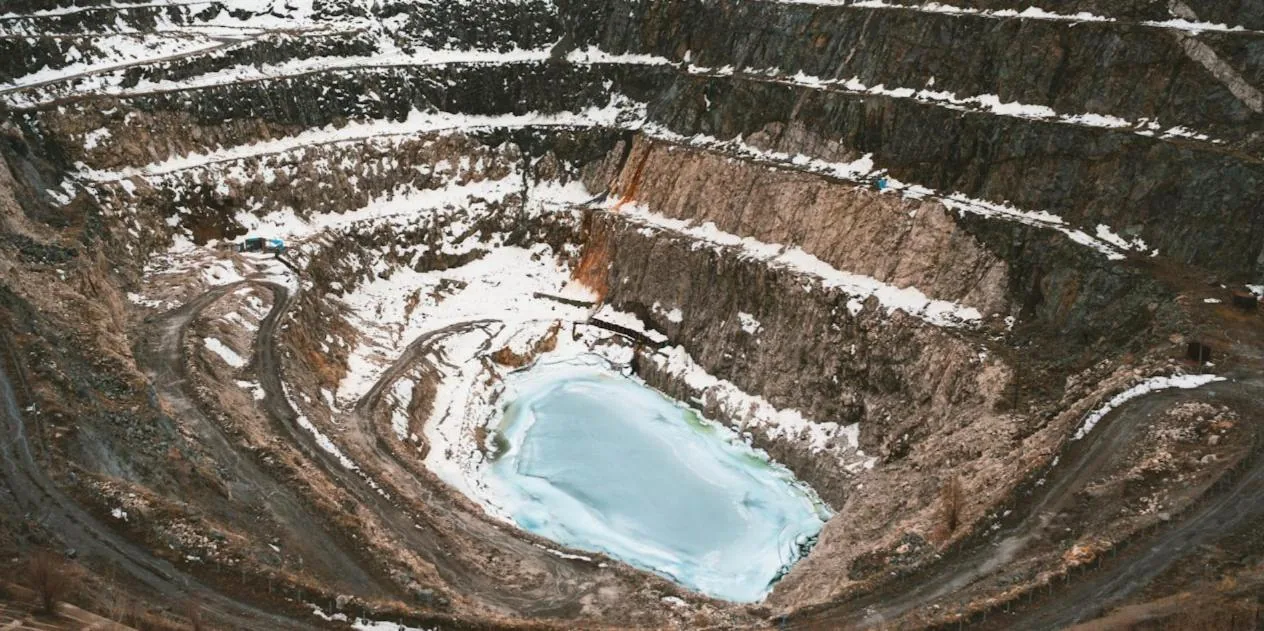
Global gold miner
Five mines, five SAP instances, one view of every spare.
- ~$26M
- working capital released
- 47%
- less emergency procurement
- 10 wks
- to go live, SAP kept
Tools
Learn
Your dead stock, duplicates and transfer options, from one ERP extract.
Get a free diagnosticProduct
- MRO360 overviewThe AI-native platform for spare parts
- How it works
- Integrations
- Spare Part SearchSearch every plant in plain language, with duplicates and equivalents surfaced.
- Equipment CriticalityAI rates every asset on failure impact, with a written reason for each score.
- Spare Part CriticalityEvery SKU scored from the equipment it protects, so safety stock follows risk.
- Obsolete CheckFinds discontinued parts early and lines up the OEM successor or alternates.
- Stock VelocityClassifies every SKU as fast, slow or non-moving and puts a dollar value on it.
- Demand ForecastingForecasts by maintenance order type, with turnarounds and seasonality built in.
- Reorder Point ReviewMin, max and safety stock recalculated continuously, with autonomous ordering under limits you set.
- Work Orders Planner and Vendor IntelligenceFlags work orders short of parts and tracks the fix from request to delivery.
- Inter-Plant TransferMoves surplus from one plant to another's shortfall before anyone buys new.
- Work Order Planner & SchedulerFrom notification to sign-off