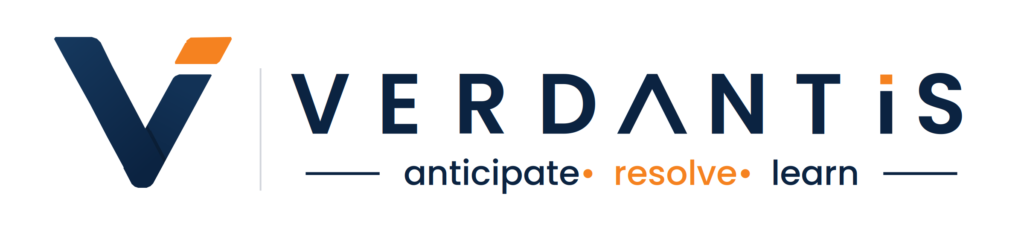

Harmonize: AI-Powered Data Cleansing Tool
Organizations are dealing with an unprecedented volume of data, spread across various platforms. As data becomes increasingly integral to business success, ensuring its accuracy, consistency, and reliability is critical. This is where Master Data Cleansing Tools come into play and is the next-generation solution that is transforming how companies approach data management.
Master data cleansing is an essential process for any organization that wants to ensure clean and accurate data. By implementing a master data cleansing process, you can improve decision-making, efficiency, reduce costs, and enhance the customer experience.
There are far too many touchpoints when it comes to managing master data records. A few to name are vendor quotes, punchout descriptions, engineering data, and most importantly, inputs from thousands of business users across different geographical locations. This often leads to master data riddled with missing details, errors, inconsistencies, and duplicates.
AI can analyse and identify complex data patterns and relationships that traditional methods might miss. It can learn from historical data corrections and apply similar logic to future datasets, improving the accuracy of the cleansing results over time efficiently.
The Role of Harmonize in Data Cleansing
Automated Data Classification: Grouping different types of master data into a structured and standardized set of pre-defined categories under the “Taxonomy” to build a robust classification structure. One of the most popular and extensively used taxonomies worldwide is UNSPSC (United Nations Standard Products and Services Code); other type of taxonomies used in various regions or industries include eClass, PIDX, CPV, ETIM, GS1, ISIC, and NAICS.
Harmonize’s AI-driven master data classification automates the process to intelligently classify and logically categorize data based on patterns, semantics, and context. Harmonize learns from the historical data, improving accuracy over time, and adapts to the specific classification needs of an organization.
- Automated Duplicate Detection: Sophisticated algorithms can identify and present duplicate records even when the data is not an exact match (e.g. spelling errors, abbreviations, multiple languages). The AI models understand the context behind data entries, making them highly effective in detecting duplicates that would be missed by traditional exact field value-based approaches.
- Data Enrichment: Enhancing existing data by adding additional, more comprehensive information from external public domain sources including manufacturer & supplier catalogues, data directories, etc. Use of generative AI with multi-layer validation by cross-referencing data with trusted external sources to ensure that the information is accurate and up to date making this process highly scalable.
- Standardize and Normalize Data: Since the data can originate from multiple sources following different standards/nomenclature, standardizing and normalizing it improves overall data health and user’s ability to search and report accurately and make informed decisions. Established set of rules/standards and guidelines are essential for how the data should be entered, formatted, and stored.
- Multi-language Support:
Data that exists in different languages based on its origin and may have inconsistencies in spelling, formatting, synonyms, and naming conventions. Multi-language support ensures that all data is managed following a single set of standards, no matter the language or region of creation. This is crucial for maintaining data quality across global entities, ensuring compliance with local regulations, and at the same time maintaining centralized data governance.
When handling data in multiple languages, it is common to encounter translation errors, incorrect mappings, or context-specific challenges that requires cleansing. A tool with multi-language support can automatically detect these discrepancies and ensure the data entered is accurate and contextual irrespective of the language it is created in.
Advanced AI-driven tools can translate data into a common language for analysis and cleansing, while still preserving the original language in the output. Importantly, these tools can recognize the context of words and phrases, avoiding the pitfalls of simple word-to-word translations.
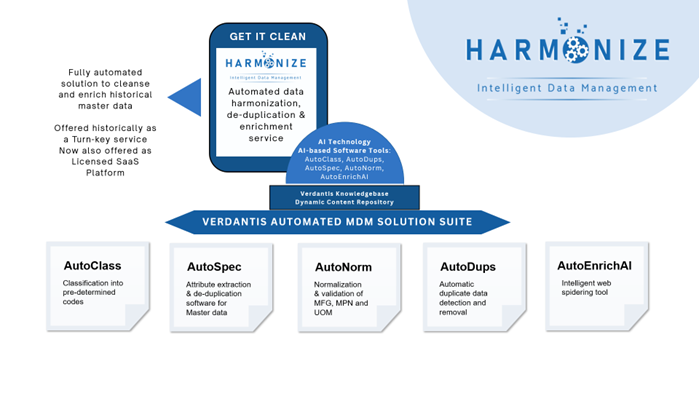
Integrity: Robust Master Data Governance Tool
Integrity is an AI Based Master Data Governance platform that provides a robust framework through which data is controlled, standardized, cleansed, managed and reported to ensure the quality and consistency of an organization’s master data across multiple systems and business units. Integrity provides the necessary framework and workflows to establish policies, procedures, and data stewardship to guarantee that master data remains accurate, complete, and compliant with pre-defined internal standards and external regulations.
Key Features of Integrity:
1. Self-Service Management:
In terms of data governance, the self-service feature is revolutionary. Without depending on IT staff, it allows business users to view, manage, and update master data directly. This democratization of managing data lowers bottlenecks and increases productivity, by empowering people from different areas in contributing towards data quality.
AI data models leverage business rules and data standards built through processing of 150M+ records and 250+ client implementations. Integrity interprets user inputs to classify, enrich, standardize and deduplicate records to build a robust golden record. All of this at the very first step of the process – data creation/update request initiation.
2. Real-Time Validation:
Data accuracy is critical, and real-time validation to ensures that master data conforms to the organization’s data quality standards as soon as it is entered or updated.
- Instant Feedback: As data is entered into the system, real-time validation checks for errors, duplications, or inconsistencies and providing immediate feedback to users.
- Improved Data Quality: By identifying errors at the point of entry, the tool ensures that only high-quality data is added to the system, preventing issues downstream.
- Customizable Rules: Validation rules can be tailored to an organization’s specific data governance policies, ensuring compliance with internal standards and regulatory requirements.
- On Demand Enrichment: With the AutoEnrichAI feature Integrity assigns manufacturer information such as characteristics, images, availability and alternatives of parts in real-time. This eliminates the need to perform manual data sourcing and increases data quality while reducing the request turnaround time.
3. Role-Based Access:
Effective data governance requires the right people to have access to the right data at the right time. Role-based access control ensures that users can only access the data and functionalities that are relevant to their role.
Integrity ensures that different user roles can be granted access to specific data sets and workflows, making the tool more intuitive and efficient for everyone involved.
4. Workflow Automation:
Integrity offers Workflow automation in a master data governance tool that streamlines the process of data entry, approval, validation, and updates, ensuring consistency and reducing the need for human intervention.
Automated workflows enable setting up of approval chains, where data changes are routed to the appropriate authorities for validation, reducing human errors and manual follow-ups.
Automated workflows provide clear visibility into where data requests are in the process, making it easy to track progress and address any bottlenecks quickly.
5. Comprehensive Data Audits:
A comprehensive data audit is a systematic and thorough examination of data to ensure it aligns with governance policies, data quality standards, and regulatory requirements.
Integrity includes predefined audit rules that automatically check data against regulatory requirements, ensuring that organizations remain compliant.
Integrity maintains detailed audit trails, recording every change made to the data who made it, when, and why. This ensures transparency and accountability, which are critical in regulated environments.
The Benefits of Master Data Governance:
- Improved Data Quality: Integrity ensures that master data is clean, accurate, complete, and consistent, which is essential for making informed business decisions.
- Operational Efficiency: Integrity ensures that the data is standardized across systems, which reduces inefficiencies, enabling smoother business operations and processes.
- Enhanced Compliance: Integrity provides clear governance frameworks in place, so that the organizations can ensure that they meet regulatory requirements, reducing the risk of financial liabilities fines and penalties due to non-compliant/incorrect data.
- Data Trust: Trustworthy data allows stakeholders across the organization to rely on master data for day-to-day operations and long-term strategies.
- Risk Mitigation: Integrity enforces data security policies and tracks data changes, thereby reducing the risk of data breaches and unauthorized access within the organization.
Key Business Points:
In a data-centric world, businesses must prioritize data governance and quality to stay competitive. Harmonize and Integrity not only ensure that data is accurate and reliable but also provide tangible business benefits by enhancing efficiency, driving cost savings, ensuring compliance and supporting scalability.
1. Efficiency:
Efficient business operations rely on high-quality, well-governed data. With the implementation of Harmonize and Integrity, businesses can automate key processes and enhance operational efficiency.
- Automated Data Validation and Standardization: Harmonize and Integrity tools automatically validate data against predefined rules and standards which ensures that data is accurate, complete, and consistent across the organization, reducing manual errors and rework.
- Improved Data Accessibility: With well-governed master data, users across various departments can easily access and retrieve the information they need. This reduces the time spent searching for data and improves decision-making capabilities.
- Reduction of Redundant Data Entry: Harmonize helps identify and eliminate duplicate records, preventing redundancy and minimizing data entry efforts. This not only saves time but also ensures that decisions are based on a single source of truth.
2. Cost Savings:
High-quality data is not just about efficiency it is about cost cutting as well. Poor data quality can lead to significant financial losses, including increased operational costs, regulatory fines, and missed business opportunities.
- Reduction in IT Costs: Manual data management often requires substantial IT support, especially when addressing data errors, duplicates, or inconsistencies. With Harmonize and Integrity tools automating these processes, organizations can reduce their dependence on costly IT intervention, freeing up resources for more strategic initiatives.
- Optimized Inventory Management: For organizations in industries such as manufacturing or retail, poor data management can result in overstocking or understocking, both of which come with significant costs. Clean, well-governed data ensures more accurate demand forecasting and inventory control, reducing waste and improving cash flow.
- Reduced Compliance Costs: Regulatory compliance often requires organizations to maintain clean, accurate data records. Data governance tools ensure that organizations meet these regulatory requirements, avoiding fines and penalties related to data breaches or inaccuracies.
3. Scalability:
As businesses grow, so does the volume and complexity of their data. Without the right data management and governance practices in place, organizations struggle to keep up with their expanding data needs. Integrity and Harmonize tools are designed to support scalability, enabling businesses to grow while maintaining control over their data.
- Future-Proofing Data Architecture: Harmonize and Integrity tools ensure that data governance policies are in place to accommodate new systems, processes, and business units as the organization grows. This means that businesses can scale their operations without facing data quality issues down the road.
- Handling Large Volumes of Data: As organizations expand, the volume of data they manage increases exponentially. Harmonize is built to handle large-scale datasets, ensuring that data quality is maintained even as the amount of information being processed grows.
- Supporting Mergers and Acquisitions (M&A): When organizations undergo mergers or acquisitions, they often face the challenge of integrating large volumes of disparate data. Harmonize and Integrity tools facilitate smoother M&A processes by ensuring that data from different sources is Harmonized and aligned with the organization’s governance standards.
Client Scenarios:
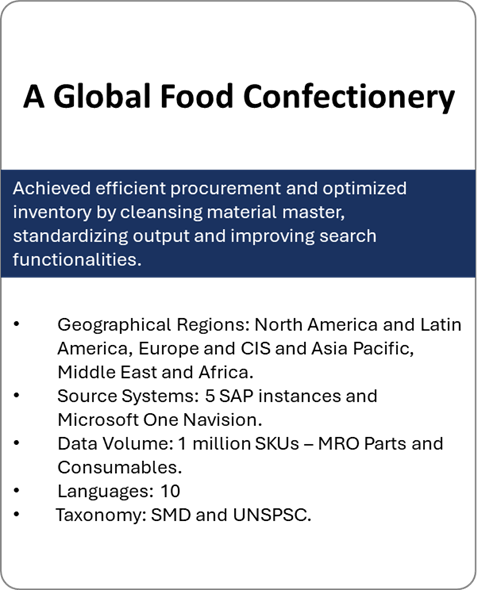
A Global Food Confectionery’s Master Data Transformation Journey:
A Verdantis Master Data Management Success Story
Founded in 1911, this American multinational company is a leading manufacturer of confectionery, pet food, and other food products and a provider of animal care services, employing 100,000+ associates at more than 300 sites, including more than 130 factories in about 75 countries worldwide. Headquartered in McLean, Virginia, U.S.A. it is one of the world’s largest food companies, generating global revenues of more than $35 billion annually.
The Challenge: Data Complexity and inconsistency Across data:
The organization’s operations spanned multiple regions, each maintaining separate systems for managing customer, product, and supplier data.
- Geographical Regions – North America and Latin America (NALA), Europe and CIS (EUCIS) and Asia Pacific, Middle East and Africa (APMEA).
- Source Systems: 5 SAP instances and Microsoft One Navision.
- Data Volume: 1 million SKUs – MRO Parts and Consumables.
- Languages: 10
- Taxonomy: SMD and UNSPSC.
This fragmentation led to several challenges:
- Data Silos: Each department and region had its own data management processes, creating information silos that hampered global visibility.
- Duplicate and Inconsistent Data: Data duplication across suppliers and products was a major issue, leading to inefficiencies and errors in procurement, inventory, and distribution.
- Inaccurate Reporting: Inconsistent data entry standards and fragmented systems meant that reports and insights were often unreliable, making it difficult to execute global strategies.
- Costly Manual Processes: With data spread across various systems, manual intervention was required to consolidate and clean data, driving up operational costs.
The Solution: Verdantis Master Data Management
To address these challenges, the company partnered with Verdantis to implement a robust MDM platform that could unify its data across the globe. Verdantis leveraged its AI-powered MDM solution to cleanse, de-duplicate, and enrich data, enabling better data quality and governance across all operations. The key elements of the solution included:
- Centralized Data Hub: Verdantis created a single source of truth by consolidating product, supplier, and customer data from different systems into a unified, centralized platform.
- AI-Powered De-duplication: Verdantis employed advanced AI algorithms to identify and remove duplicate records, ensuring clean and accurate data across the enterprise.
- Data Standardization: To ensure consistency, Verdantis applied global standards to data fields, unifying the way products, suppliers, and customer records were captured and maintained.
- Automated Data Governance: Verdantis helped in implementing data governance protocols that continuously monitored data quality, reducing manual oversight, and preventing future data errors.
- Real-Time Data Accessibility: The MDM solution provided with easy access to reliable data through a user-friendly interface, allowing them to make quicker, data-driven decisions.
The Results: Operational Efficiency and Data Accuracy
The impact of Verdantis’ MDM solution on company’s operations was immediate and substantial:
- Reduction of Duplicate Records: By eliminating duplicate entries, organization saw a drastic reduction in confusion and miscommunication within its master data.
- Improved Data Quality Across the Board: With consistent, standardized data, accuracy of master data has significantly improved.
- Cost Savings in Data Management: The automation of data cleansing and governance reduced manual intervention by 80%, leading to significant savings in operational costs.
- Streamlined Global Operations: Verdantis’ MDM solution enabled organization to manage its operations more effectively, reducing lead times, cutting procurement costs, and improving inventory management.
- Faster, More Informed Decision-Making: With real-time access to clean, accurate data, company’s leadership was able to make faster, data-driven decisions.
How Harmonize and Integrity Work Together for Effective Master Data Management:
For effective Master Data Management, both Harmonize, and Integrity is indispensable. Harmonize ensure that your master data is accurate, consistent, and free of errors, while Integrity establish the rules, policies, and frameworks that ensure long-term data quality and compliance.
When integrated, these tools complement each other and create a holistic data management strategy.
Here is how Harmonize and Integrity work together for effective Master Data Management:
1. Data Quality Improvement: Data quality is a shared goal for both data cleansing and data governance. Harmonize helps in eliminating inaccuracies, inconsistencies, and duplicates in the master data, while Integrity enforces quality standards and rules to prevent future data issues.
- Harmonize in Action: Harmonize can identify that a customer’s email address is missing or incorrect. The tool will either fix this issue or flag it for manual review.
- Integrity in Action: Once the email is corrected, Integrity ensures that it adheres to the organization’s data quality rules. It might enforce that all customer emails follow a certain format, ensuring consistency across systems.
By working together, Harmonize correct immediate errors while Integrity maintains long-term data quality through continuous monitoring and rule enforcement.
2. Consistency Across Systems: Harmonize ensure consistency by standardizing and unifying the data, while Integrity enforce rules across systems to maintain this consistency over time.
- Harmonize in Action: Harmonize identifies multiple customer records spread across different departments or systems. It merges them into a single, accurate record, removing duplicates and ensuring the information is consistent.
- Integrity in Action: Integrity ensures that this single customer record is applied across all relevant systems and that any future updates to this record follow predefined policies, maintaining consistency across the board.
This coordination ensures that master data remains harmonized across multiple platforms, supporting accurate reporting and decision-making.
Preventing Data Errors at the Source: While Harmonize is effective at fixing existing errors, Integrity prevents new errors from occurring. By defining data entry standards, access controls, and approval workflows, governance tools ensure that only clean, compliant data enters the system in the first place.
- Harmonize in Action: Harmonize regularly scans the database to find errors such as incorrect product codes or duplicate entries and corrects them.
- Integrity in Action: Governance policies ensure that product data entered the system is validated against existing standards, reducing the risk of errors from the outset.
Together, these tools create a proactive and reactive data management environment, Integrity prevents errors, while Harmonize fixes the ones that do slip through.
Supporting Compliance and Auditability: Regulatory compliance requires organizations to maintain high standards for data accuracy, security, and privacy. Integrity plays a crucial role in enforcing these regulations, while Harmonize ensures the integrity of the data being governed.
- Harmonize in Action: Harmonize ensure that personal data is accurate and up to date.
- Integrity in Action: Integrity maintain audit trails that document who accessed or modified sensitive data, ensuring that all data activity complies with internal policies and external regulations.
Together, these tools help organizations avoid costly compliance violations while ensuring that master data meets regulatory standards.
5. Enabling Scalability: As organizations grow, so does the volume and complexity of their data. Managing master data at scale requires both high-quality data and governance policies that can adapt to changing business needs
- Harmonize in Action: Harmonize can handle larger datasets, ensuring that duplicates and errors are caught even as the organization scales.
- Integrity in Action: Integrity ensures that new systems, departments, or regions that come online adhere to the same data management rules and standards, keeping data quality consistent across the enterprise.
This combination ensures that as organizations scale, their master data remains accurate, compliant, and ready for business use.